The Blog
Blog
Practical workflows, creative inspiration, and industry insight, the Renior blog helps your team build product imagery that converts.
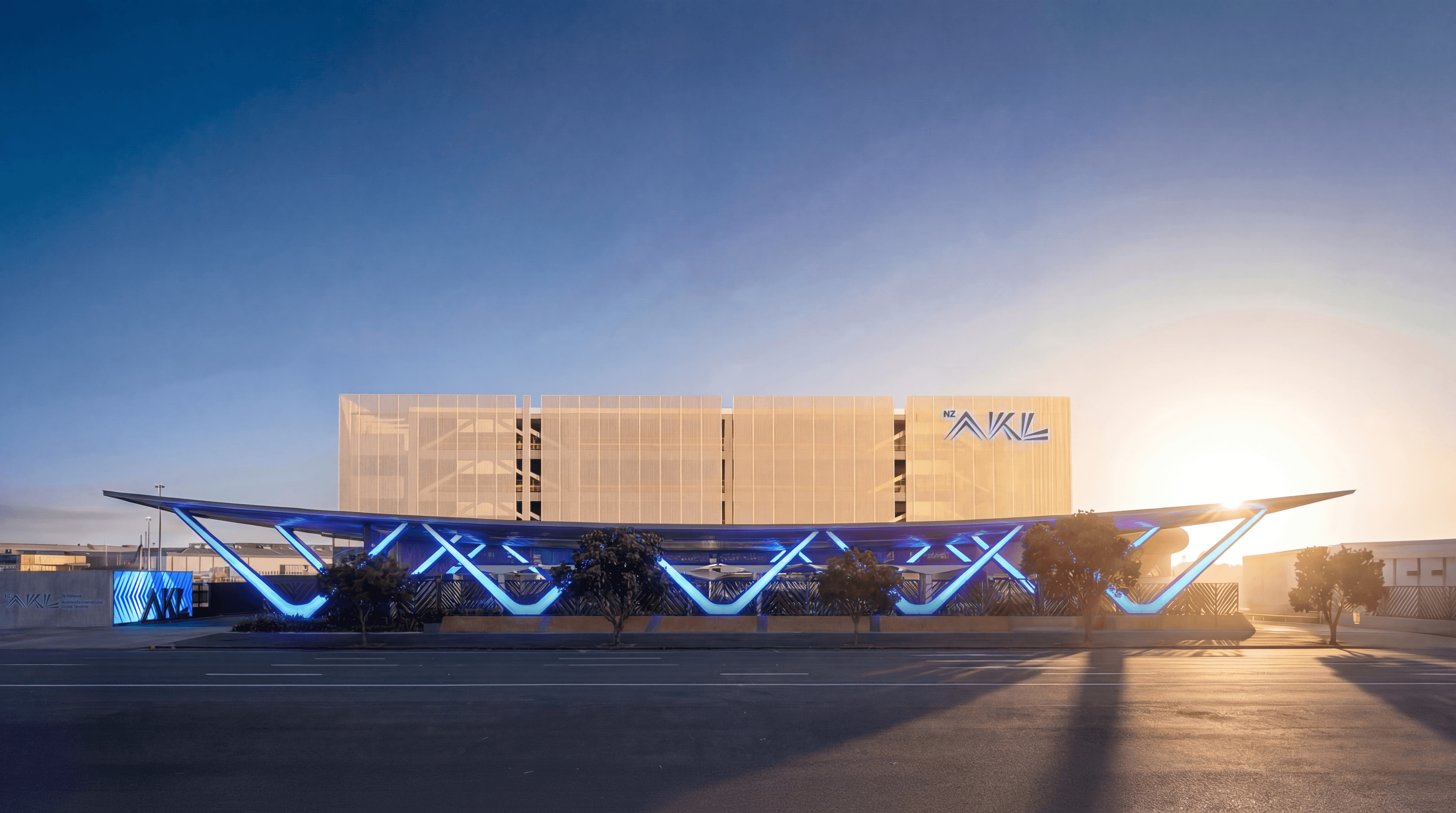
Te Waharoa: How Renoir visualised Auckland’s cruise terminal in 10 days
Some public projects are easy to explain on paper, but much harder to make people feel.
Te Waharoa, the new Auckland International Cruise Terminal, is one of those projects.
It is more than infrastructure. It is part of Auckland’s evolving waterfront story, helping the city welcome visitors more effectively, support local economic growth, and present itself more strongly as a globally connected harbour city.
For this project, Renoir partnered with RCG to help translate real design intent into a visual story people could understand early and engage with confidently.
The result was a 44-second cinematic teaser, built from a written brief, directed through a tightly controlled workflow, and delivered at high quality without a single day on location.
27 March 2026

10 “One-Cue Fixes” that make visuals feel local fast
If your visuals feel “almost right” but still not quite local, don’t rebuild the whole scene. Start with one cue. This post is a fast library of the most common mismatch cues in built environment visuals, and the single change that fixes each one, so you can reduce doubt, cut rework, and ship locally believable scenes faster.
15 Jan 2026
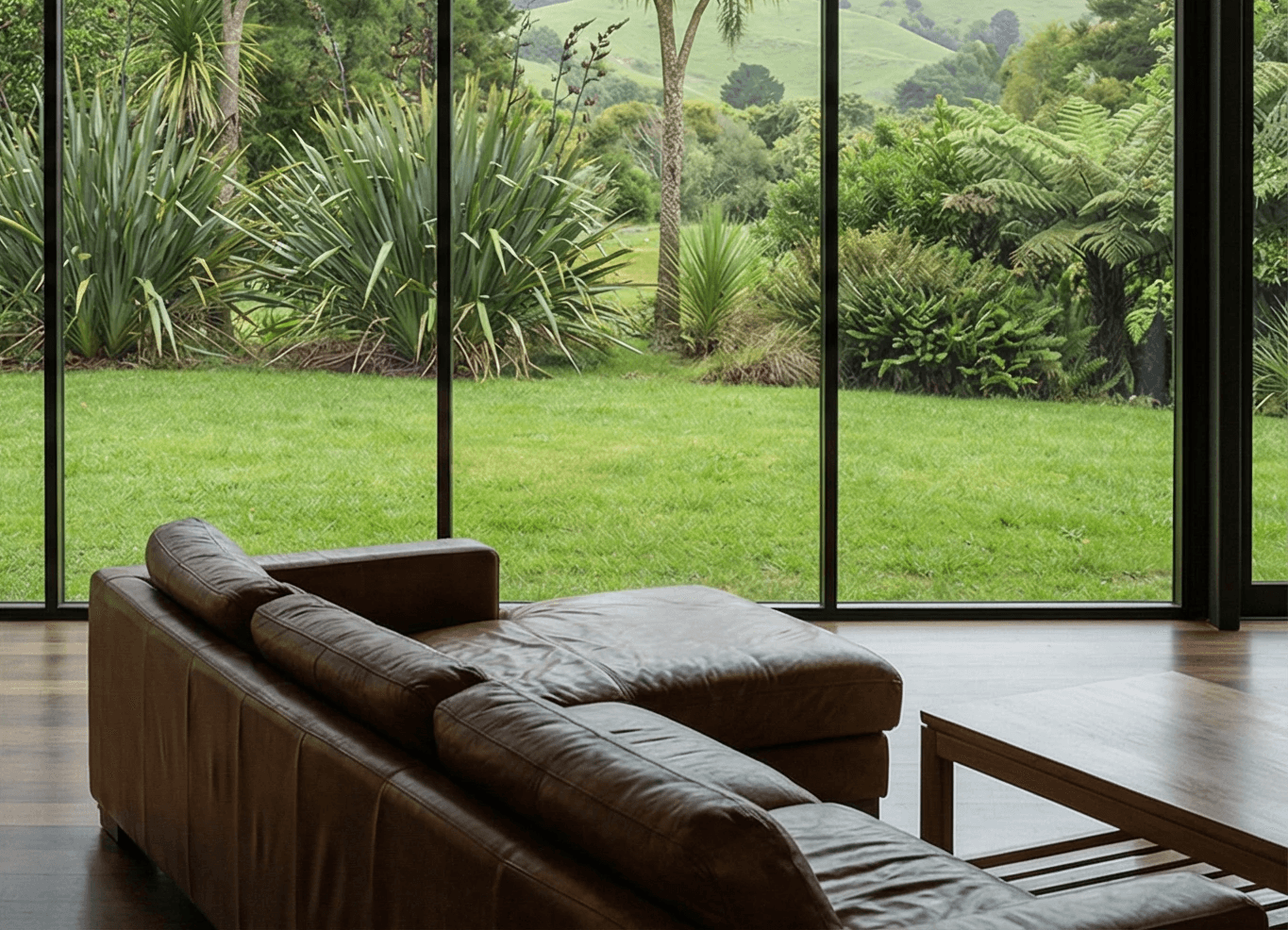
Local feel isn’t a style, it's a context grammar
Most teams talk about “local feel” like it’s a vibe, until the first review call turns into, “It’s nice… but it doesn’t feel like here.” The problem isn’t taste, it’s missing language. This post introduces a simple Context Grammar, Light, Space, Materials, Lifestyle, Nature, and shows how to use it as a briefing and review system, so you can ship locally believable visuals faster, with fewer revision loops and less subjective debate.
7 Jan 2026
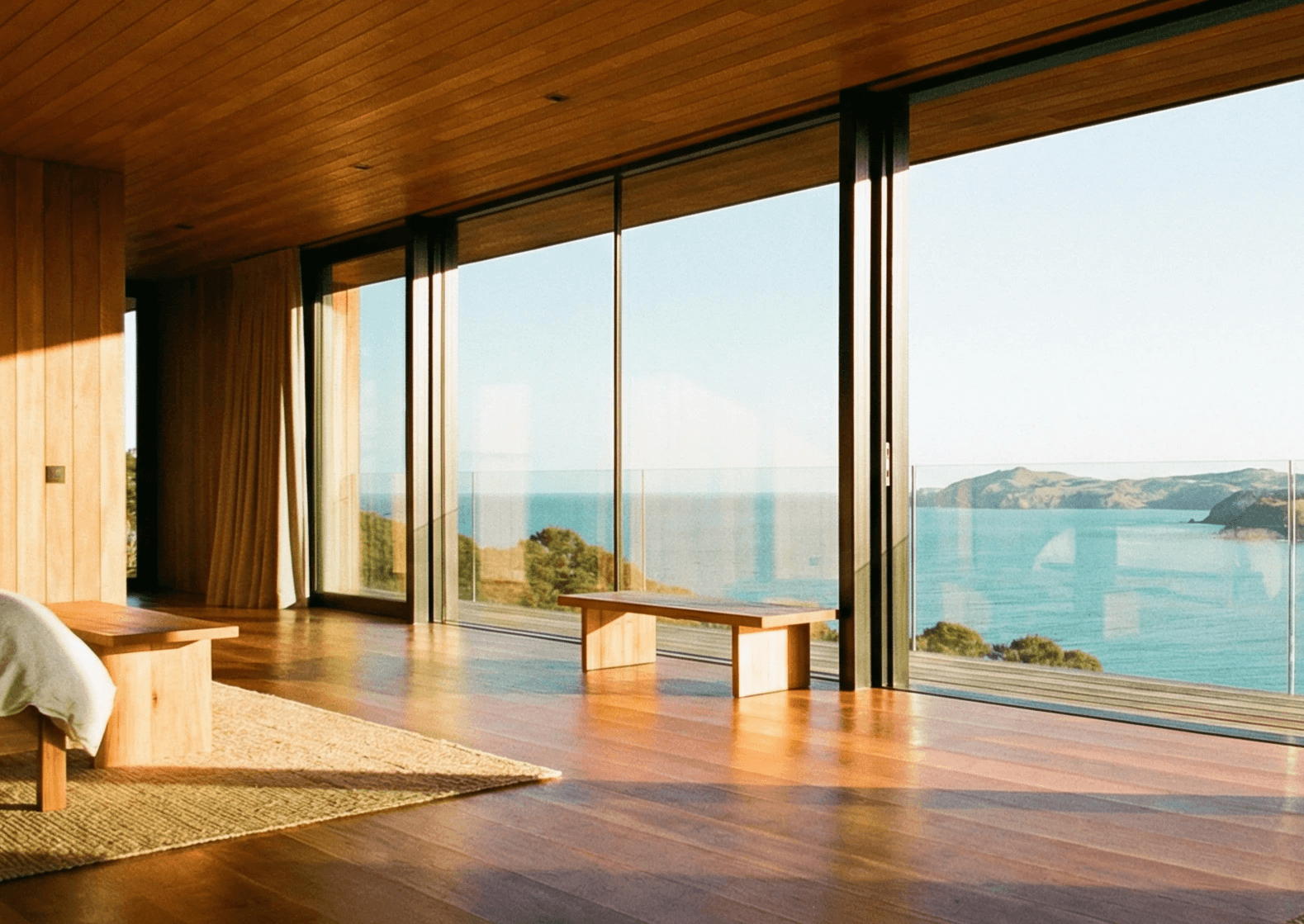
What hyper-local really means, and what it’s not
Ever clicked on a space or product page and thought, “Nice… but it doesn’t feel like here”? That split-second hesitation is rarely about the item itself, it’s the scene, the light, the spatial cues, the tiny details that decide whether a place feels made for your world. This article unpacks what “hyper-local” really means for built environment visuals, why it matters when you’re selling spaces (not just specs), and how to build repeatable local believability across projects, ranges, and channels.
02 December 2025

8 Checks to Make Sure Your Visuals Feel Local
A practical 8 point checklist for built environment teams to review visuals before they go live. Spot the cues that make a scene feel imported, fix them fast, and ship locally believable visuals across projects, proposals, and campaigns.
12 December 2025

Schema Mismatch: Why “Something Feels Off” Turns Into Uncertainty
You can ship a beautiful render and still lose the room. Not because it’s bad, because it’s not legible to the market you’re selling into. This post explains schema mismatch in plain language, why it shows up so often in built environment visuals, and how that tiny “feels off” moment turns into slower decisions, more objections, and less trust.
17 December 2025
Newsletter
Stay updated with our latest features and exclusive offers.
