Written by
Sarah Zeng
Marketing Coordinator
12 December 2025
TL;DR
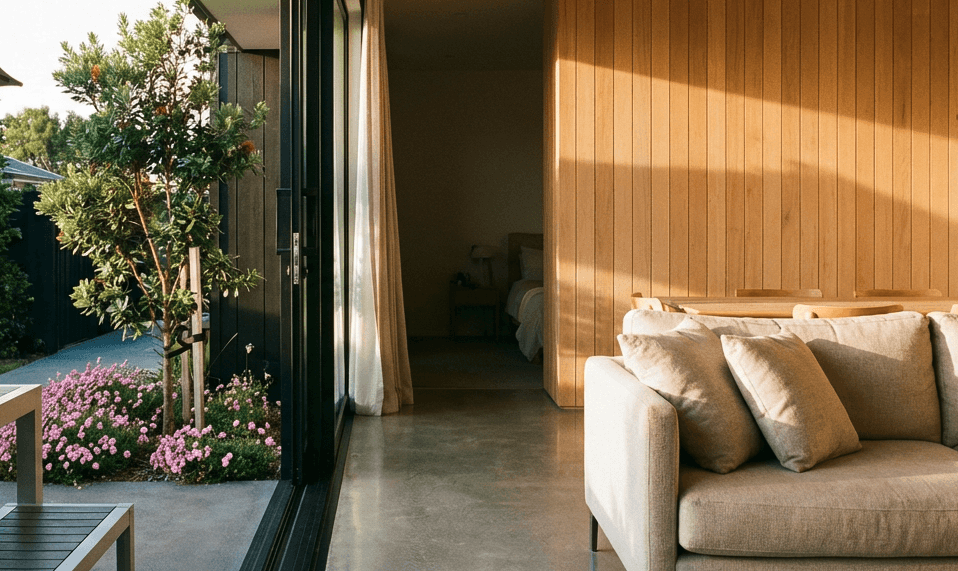
If your visuals could be from anywhere, they’ll land like they’re for no one. This post gives an 8 tips, go/no-go checklist to make sure your scenes feel locally believable, from lifestyle and people cues to architecture grammar, lighting behaviour, landscape hints, subtle local objects, colour management, and consistency across the set. Run it before publishing, because “almost local” is where trust quietly leaks.
A practical 8 point checklist for built environment teams to review visuals before they go live. Spot the cues that make a scene feel imported, fix them fast, and ship locally believable visuals across projects, proposals, and campaigns.
Why this checklist exists?
People aren’t just looking at your render, they’re trying to place themselves inside it.
They’re watching how the light behaves on surfaces, whether the space feels like the buildings they actually walk into, whether the materials look like the real thing or like a polished demo, whether the proportions would work for actual movement, actual furniture, actual humans. And they’re doing all of that in the background, without narrating it.
If anything feels borrowed, the window logic, the room scale, the outside climate hint, the styling density, the whole thing stops feeling like “a space we recognise” and starts feeling like “a template.” Not wrong enough to call out, just wrong enough to slow confidence.
That’s why teams get stuck in taste debates. The faster move is to treat local believability like a production quality standard, run the same review every time, and catch the small mismatches before they turn into big delays.
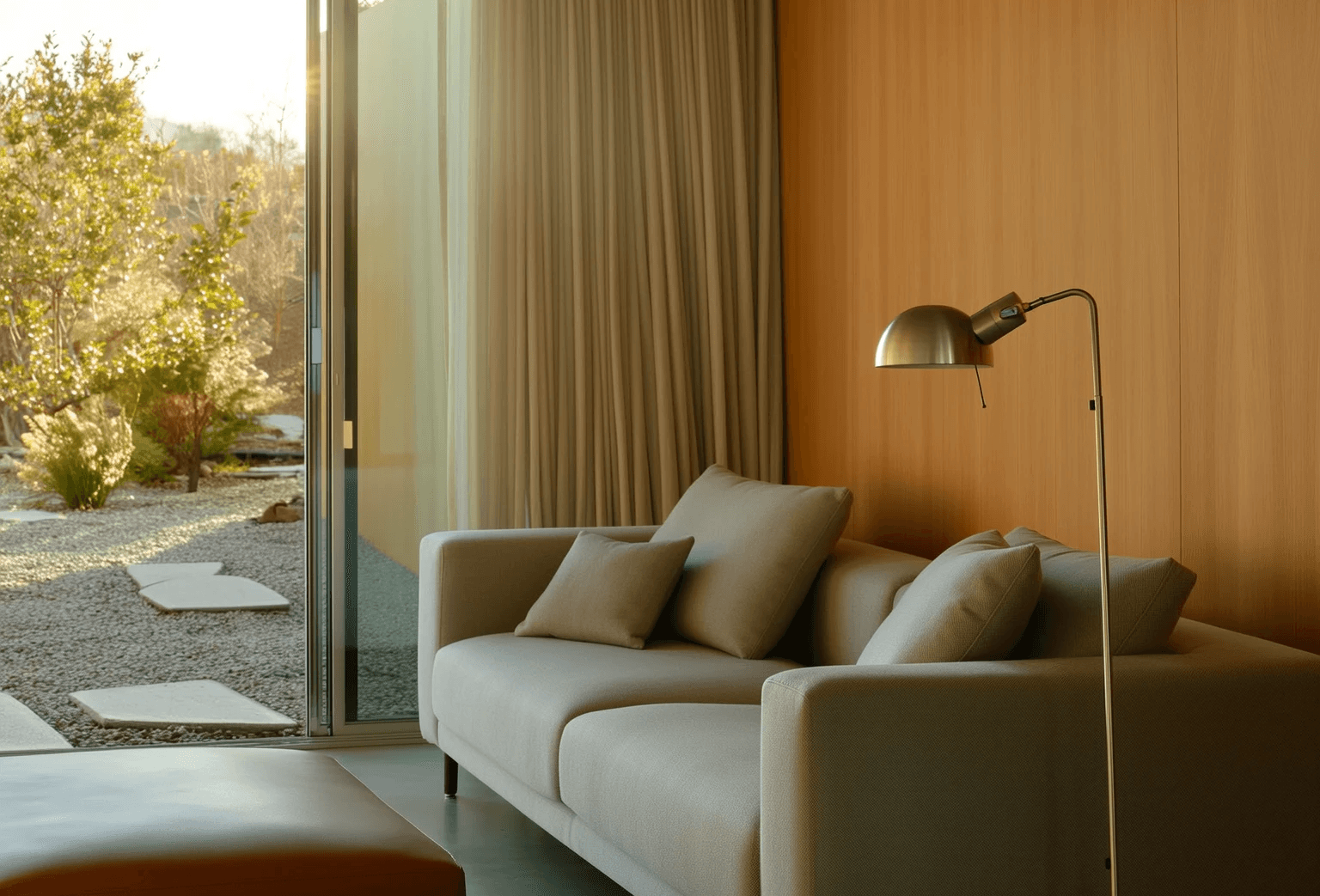
The 8 points “Local Feel” Checklist
Use this to review a visual set, project scenes, lifestyle environments, or campaign assets before they go live. Treat each check like a go/no-go gate. If you hit too many “maybe” answers, it’s not an aesthetics problem, it’s a trust problem.
1. Social references
Does the lifestyle/usage feel real for the market, how people relax, work, gather, store, move
Does the scene accidentally follow an imported “culture script” that feels off
2. People cues: do humans feel natural, not posed?
Do wardrobe, posture, interaction feel like real life here, not ad posing
Does representation feel natural to market reality, not forced
3. Architecture grammar: does the building logic look local?
Do windows, frames, outside view feel like local building stock
Do ceiling height, room scale, and flow feel like real projects here, not a showroom
Does indoor–outdoor relationship make sense for the place and climate
Do floors, skirting, wall textures fit local fit-out / renovation reality
4. Lighting behaviour: does the light behave like it belongs here?
Does light behave like natural light here
Any mixed colour temps creating that weird “where am I” cast
Are shadow edges and transitions natural, and for video, does shadow movement follow real physics
Do highlights and reflections keep materials honest, not plastic
5. Landscape and nature cues: does the outside betray the inside?
Do plants, sky tone, outdoor climate cues match the place
Any tropical-in-temperate mismatches
Does outdoor light direction/intensity make interior light believable
6. Local objects: are props subtle and usage-real?
Are objects usage-real (home/workplace/hospitality), not tourism-symbol local
Do props support the scene, not steal it
7. Colour management: does the set stay truthful?
White balance consistent across the set
Material colours believable (timber/fabric/stone/paint not drifting)
No over-grading into a foreign studio look
One LUT / grading rule, so the set reads like one brand/project
8. Consistency across the set: does it feel like one place, one brand?
Same product/space doesn’t look like it moved countries between images
Same project/range keeps the same brand mood across rooms
Consistency reads as trust, inconsistency reads as uncertainty
Conclusion
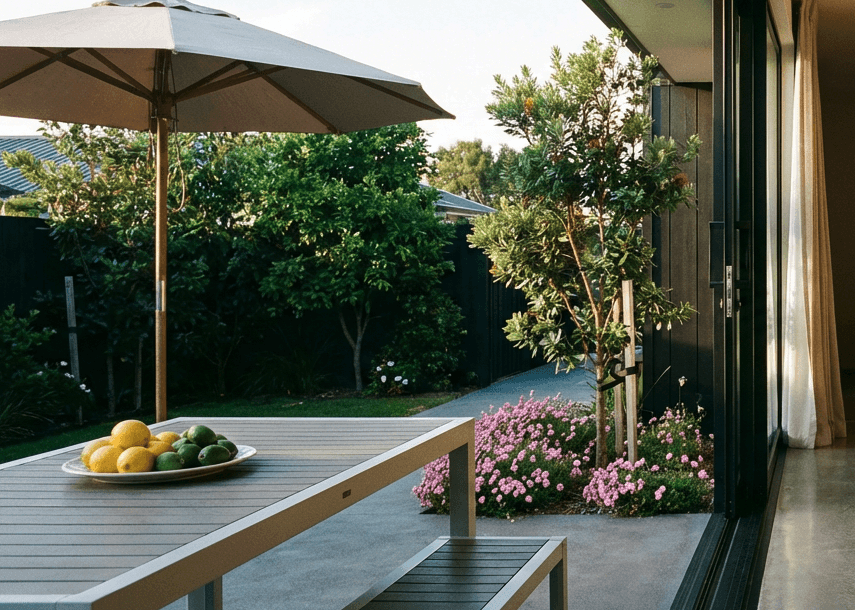
Local feel isn’t a vibe, it’s a quality standard. When visuals feel locally believable, they reduce perceived risk and speed up decisions. When they don’t, trust leaks quietly, and you pay for it in hesitation, lower conversion, or extra revision loops.
If you want one rule to remember:
Start with subtraction. Remove the cues that make a scene feel imported, then lock a repeatable local baseline your whole team can follow.
And if you’re trying to scale visuals across projects and channels without drifting into global-generic, that’s exactly the kind of problem we help teams solve at Renoir, faster output, consistent style, and scenes that still feel like they belong here.
FAQs
How do you make visuals feel local without doing more photoshoots?
Start by removing the cues that make a scene feel imported, mixed colour temperatures, implausible window logic, unrealistic spatial proportions, overly staged styling density, and mismatched outdoor climate hints. Then document a simple local baseline your team can brief and review against: target market/city, space type (home, workplace, hospitality, retail), light mood (overcast/sunny/time of day), architecture cues to include and avoid, styling density, people approach, and a do-not-use list. When you standardise these inputs, you can produce local-relevant visuals faster across projects and channels without relying on one-off shoots or guessing each time.
How can built environment teams produce high-quality visuals faster for proposals, marketing, and launches?
The fastest way to ship high-quality visuals is to standardise decisions upfront, so you’re not reinventing the scene every time. Define a repeatable baseline for the market and space type (home, workplace, hospitality, retail), lock the light mood (time of day, overcast vs sunny), set architecture cues (window logic, proportions, finishes) and styling density, and keep colour management consistent across the set. If you need speed ”without sacrificing local believability“, it helps to run a “second production lane” alongside traditional shoots, a streamlined way to produce scene-led, locally plausible visuals in consistent styles, fast enough for proposals and campaigns. That’s exactly the kind of workflow Wiretap is built to support: helping teams scale believable, local-relevant visuals across projects and channels with fewer bottlenecks and less rework.

We can help you!

